


Lead-Acid vs. Lithium-ion batteries: A comprehensive comparison
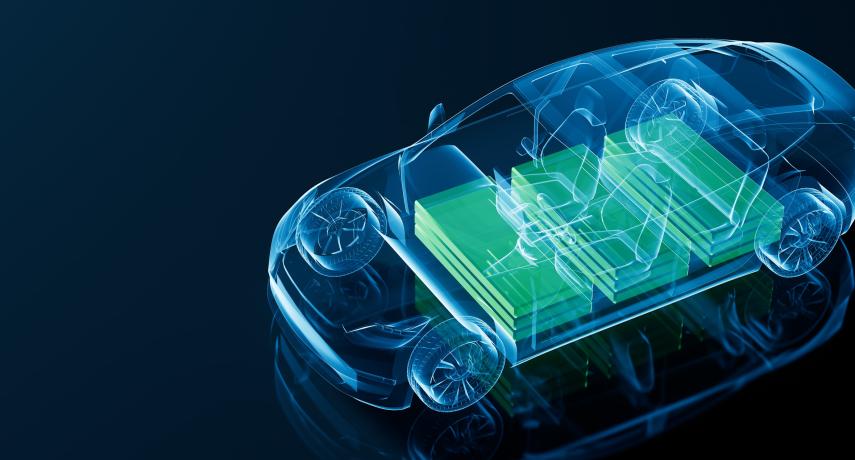
Lead-Acid and Lithium-Ion Batteries
Why Have We Chosen Lithium-Ion Batteries for Kids' Electric Cars?
In line with technological advances and our commitment to offering more environmentally friendly products, we are introducing a new range of kids' electric vehicles with lithium-ion batteries. This article explains more about their features and how this change affects both users and the environment.
What Are Lithium-Ion Batteries?
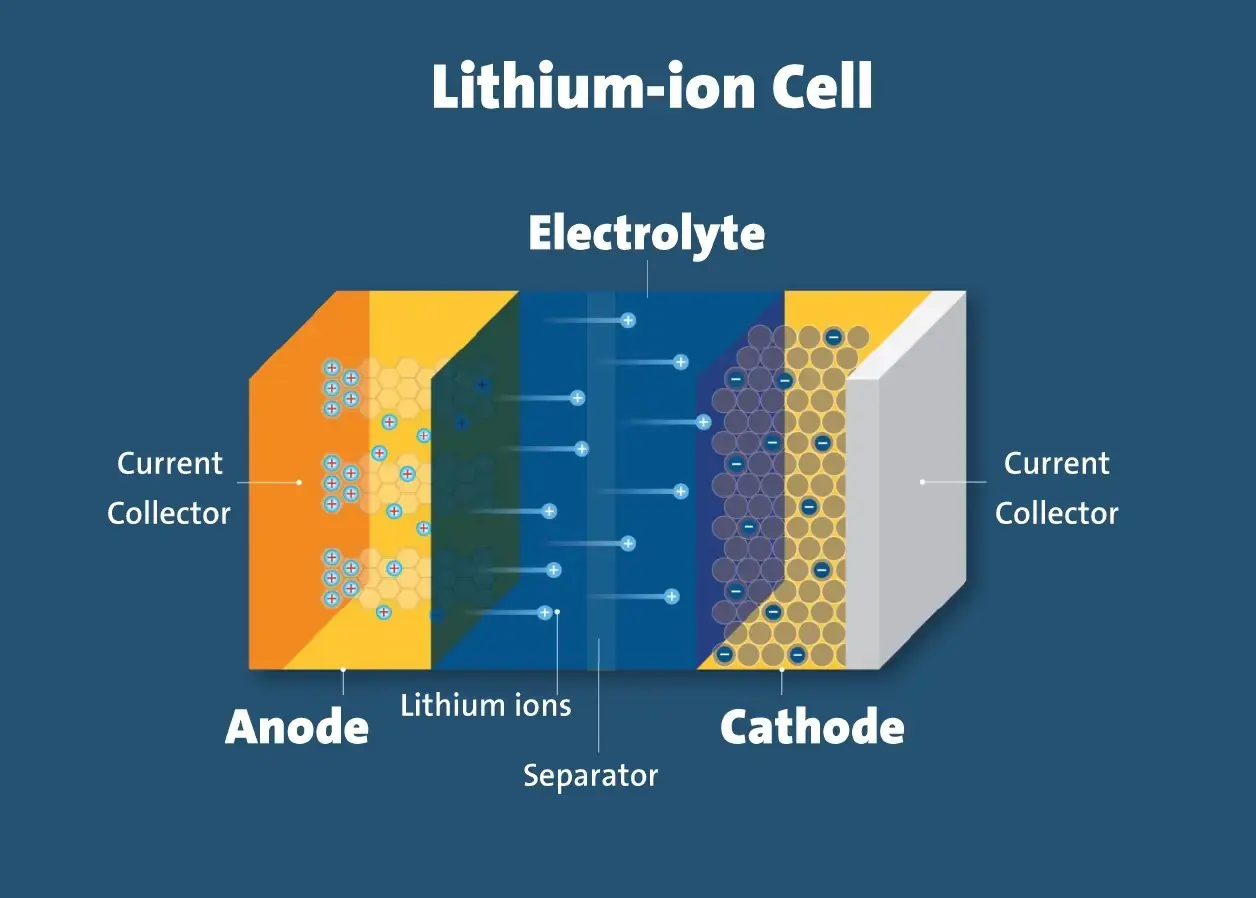
Lithium-ion (Li-ion) batteries are rechargeable batteries in which lithium ions carry charge between the anode and cathode during charging and discharging.
Their main features include:
- higher energy density,
- a long lifespan in terms of charging cycles,
- a wider operating temperature range.
Thanks to these features, they are used in a wide range of devices – from portable electronics such as mobile phones, laptops and tablets to electric cars, buses and scooters.
They are also used in renewable energy systems, power tools and medical devices.
How Are Lithium-Ion Batteries Designed and Constructed?
Lithium-ion batteries are designed with efficiency, safety and longevity in mind. Their construction is one of the main reasons why they perform better than traditional lead-acid batteries, especially when used in kids' electric cars.
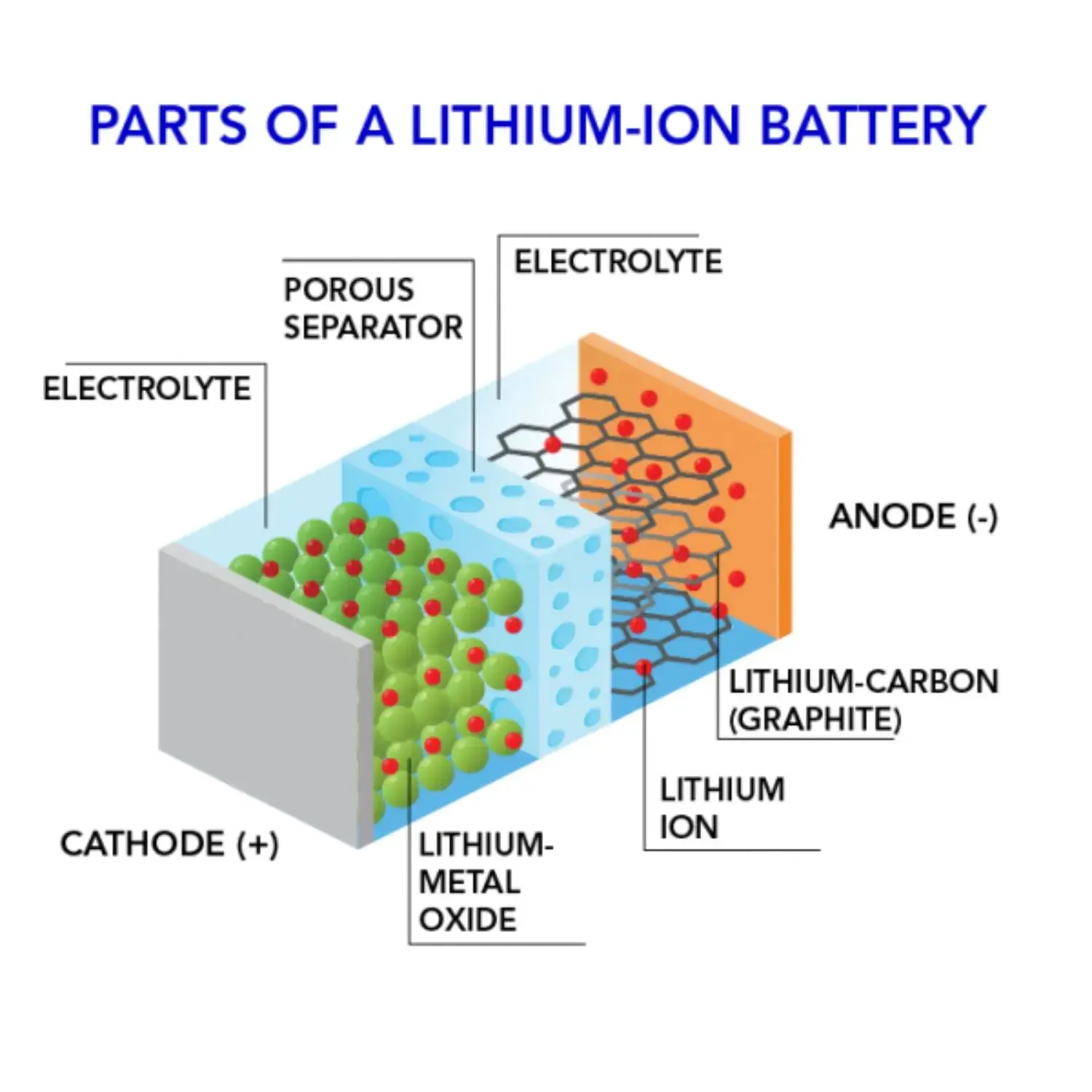
Overview of lithium-ion battery construction:
Core Components
Lithium-ion batteries contain lightweight materials such as lithium compounds and graphite. The individual components are connected using modern connectors and housed in a sealed, multi-layer casing. Lead-acid batteries use heavy lead plates and corrosive sulfuric acid, which have several disadvantages.
Cell Design
Lithium-ion battery cells can be cylindrical, prismatic or pouch-shaped. These compact designs use space efficiently, reduce weight and support strong performance. Lead-acid batteries have bulkier cells with heavy lead plates immersed in acid, making them heavier and more space-consuming.
Multi-Layer Protection
Lithium-ion batteries have a three-layer protective construction that helps prevent leaks and protects the battery from temperature changes, impacts and moisture. Lead-acid batteries usually have a simple plastic casing that may allow acid to leak or fumes to escape if damaged.
Battery Management System
Lithium-ion batteries have an integrated battery management system that continuously monitors voltage, temperature and charge level. This helps prevent overcharging and overheating, protects individual cells and extends battery life. Lead-acid batteries do not have this type of system and require regular manual maintenance.
Why Are Lead-Acid Batteries Being Replaced by Lithium-Ion Batteries?
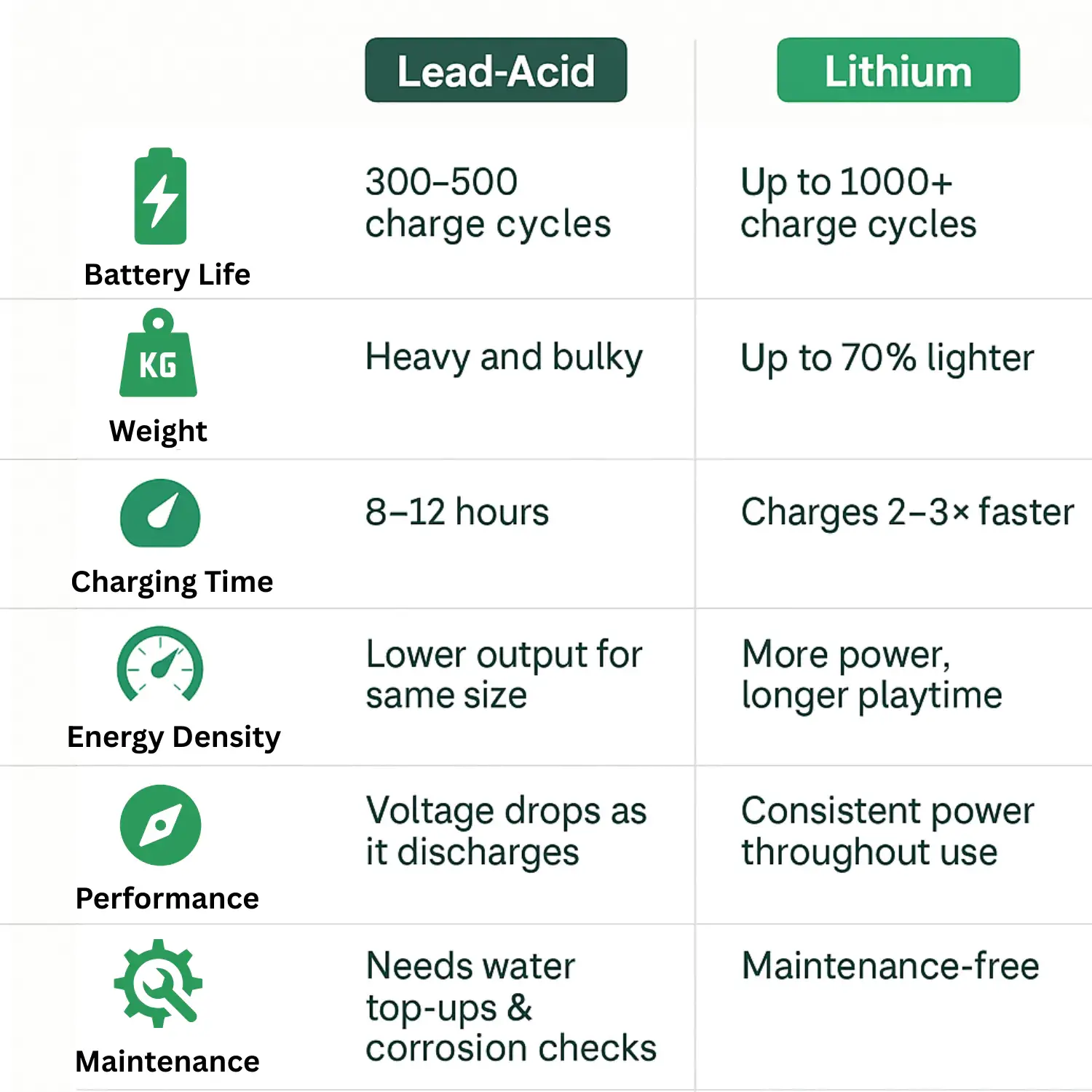
Lithium-ion batteries offer several advantages over lead-acid batteries. This is one reason why this newer technology is becoming increasingly common.
Higher Energy Efficiency
Lithium-ion batteries can store more energy in less space than lead-acid batteries. This results in lower energy losses during charging and discharging, contributing to better performance and longer operating times.
Longer Lifespan
Lithium-ion batteries can withstand more than 1 000 charging cycles, equivalent to approximately 3 to 5 years of use. Lead-acid batteries can withstand 200 to 300 cycles and have a lifespan of approximately 1 year. After that, their performance may decline significantly.
Low Weight and Compact Size
Lithium-ion batteries are up to 70 % lighter than lead-acid batteries. Their lower weight improves the speed, efficiency and handling of both portable devices and larger vehicles. In kids' electric vehicles, it also reduces the load on the motor and contributes to safer driving.
Faster Charging
A lithium-ion battery takes 2 to 4 hours to charge fully. Lead-acid batteries take 8 to 12 hours to charge, sometimes even longer. Lithium-ion batteries therefore significantly reduce the time needed for charging.
Consistent Performance
Lithium-ion batteries maintain a stable voltage until they are almost completely discharged. When not in use, they retain their charge better than lead-acid batteries. Lead-acid batteries gradually lose charge, and their performance may noticeably decline before they are fully discharged.
Low Maintenance
Lithium-ion batteries are sealed, so they do not require water top-ups or corrosion checks. Lead-acid batteries may require regular water-level checks and top-ups. Lithium-ion batteries are therefore easier to use and do not require this type of maintenance.
Temperature Resistance
The chemical processes in lead-acid and lithium-ion batteries differ. The performance of lead-acid batteries can drop by 30 to 50 % at temperatures below freezing. The compounds in lithium-ion batteries allow ions to move more easily even at low temperatures, so they retain more of their capacity in cold conditions.
Lower Environmental Impact
Lead-acid batteries contain three main materials: 1) lead – a toxic heavy metal that can seriously harm the environment and human health if improperly recycled; 2) sulfuric acid – a highly corrosive substance that is dangerous to handle and hazardous if released into soil or water; 3) a plastic casing that may become damaged over time and cause the contents to leak.
Lithium-ion batteries contain the following materials: 1) lithium, which is less toxic than lead and can be recycled; 2) metals such as cobalt, nickel and manganese, which can be recycled and reused in new batteries; 3) aluminum and copper, which are also recyclable; 4) a three-layer protective casing with the following functions:
- The inner cell casing secures the active materials and electrolyte.
- The protective heat-resistant film helps prevent external damage and provides insulation.
- The durable outer casing protects the battery from impacts and moisture.
Why Have We Started Using Lithium-Ion Batteries?
Using lithium-ion batteries in kids' electric cars offers the following advantages over lead-acid batteries:
Longer Driving Time per Charge
On a single charge, kids can drive an electric vehicle for 30 to 50 % longer than with a lead-acid battery.
Faster Charging
A lithium-ion battery charges in 2 to 4 hours, while a lead-acid battery requires 8 to 12 hours.
Lower Weight and Easier Handling
Lithium-ion batteries are 70 % lighter than lead-acid batteries. This makes the vehicle easier for kids to drive and for parents to carry.
Consistent Speed
A lithium-ion battery delivers consistent performance until discharged, so the vehicle does not slow down significantly during use.
Longer Battery Life
Lithium-ion batteries can withstand more than 1 000 charging cycles and last 3 to 5 years. Lead-acid batteries can withstand 200 to 300 charging cycles and last approximately 1 year with intensive use.
Maintenance-Free
Lithium-ion batteries do not require water top-ups or corrosion removal.
Better Temperature Resistance
Lithium-ion batteries deliver consistent performance in a range of temperature conditions, including freezing weather.
Integrated Safety Features
The lithium-ion battery's sealed three-layer construction protects its circuits and helps prevent leaks, overcharging and short circuits.
More Environmentally Friendly
Lithium-ion batteries contain fewer toxic materials than lead-acid batteries. They are easier to recycle and have a lower environmental impact.
Thanks to these features, lithium-ion batteries are a more economical, environmentally friendly and safer long-term option for both parents and kids.